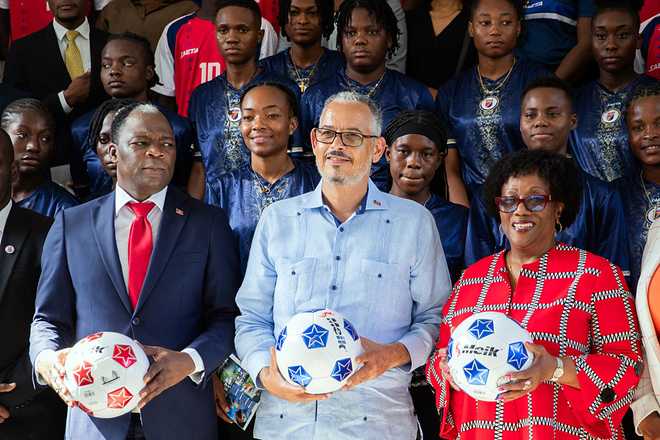
For many football fans, qualifying for the FIFA World Cup is a moment of national pride. For Haiti and its global diaspora, it is something even more meaningful. It is a moment generations have waited a lifetime to experience.
As Haiti secured its place at the World Cup for the first time in 52 years, celebrations erupted not only across the Caribbean nation itself but also thousands of miles away in Miami, home to one of the largest Haitian communities in the United States.
In neighborhoods where Haitian culture, language, music, and traditions remain deeply rooted, the qualification was more than a sporting achievement. It became a powerful symbol of resilience, identity, and hope.
For older generations, it brought back memories of a historic era. For younger supporters, it created an opportunity to witness a moment they had only heard about through stories from parents and grandparents.
The celebrations reflected the importance of football as a force capable of uniting people across borders, generations, and experiences.
Ending a Half-Century Absence
Haiti’s previous appearance at the World Cup came more than five decades ago.
Since then, countless players, coaches, and supporters have dreamed of seeing the national team return to football’s biggest stage. Over the years, there were moments of promise and periods of disappointment, but the ultimate goal remained frustratingly out of reach.
That long wait only intensified the emotions surrounding qualification.
For many supporters, the achievement represents the reward for decades of persistence and belief. It validates years of development, sacrifice, and commitment to the sport.
In a football world often dominated by traditional powers, Haiti’s qualification serves as a reminder that determination and progress can eventually overcome even the longest odds.
A Celebration Across Miami
Streets Filled With Pride
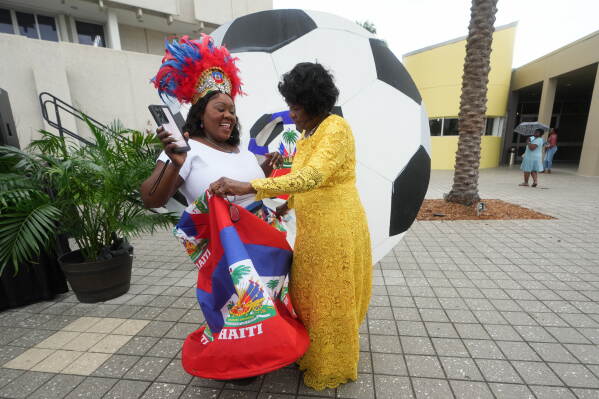
Miami’s Haitian community responded with excitement the moment qualification became official.
Cars carrying Haitian flags filled the streets. Families gathered in homes, restaurants, and community centers. Music, laughter, and spontaneous celebrations transformed ordinary evenings into memorable occasions.
For many residents, the success of the national team felt deeply personal.
The connection between Haiti and Miami extends beyond geography. Generations of Haitian families have built lives in South Florida while maintaining strong ties to their heritage. Cultural traditions remain vibrant, and major events involving Haiti often generate enormous community interest.
World Cup qualification elevated those emotions to another level.
More Than a Football Result
Sporting achievements can sometimes become symbols of something larger.
For many members of the Haitian diaspora, this qualification represented national pride at a time when positive international headlines are especially meaningful. It offered an opportunity to celebrate achievement, talent, and unity.
The occasion created a shared sense of joy that transcended age, profession, and background.
Everyone had a reason to celebrate.
The Emotional Impact on Older Generations
Perhaps no group felt the significance of the moment more strongly than older Haitian supporters.
Many remember stories from the country’s previous World Cup appearance or lived through that era themselves. For decades, they hoped to witness another qualification but often wondered whether it would happen during their lifetime.
Now, that dream has become reality.
Some celebrated with tears. Others reflected on family members who had passed away before seeing this day arrive. Conversations naturally turned toward memories, history, and the remarkable journey that brought Haiti back to the global stage.
For these supporters, qualification is not merely a football statistic.
It is a chapter of national history.
A New Generation Discovers the Dream
While older fans reflected on the past, younger supporters focused on the future.
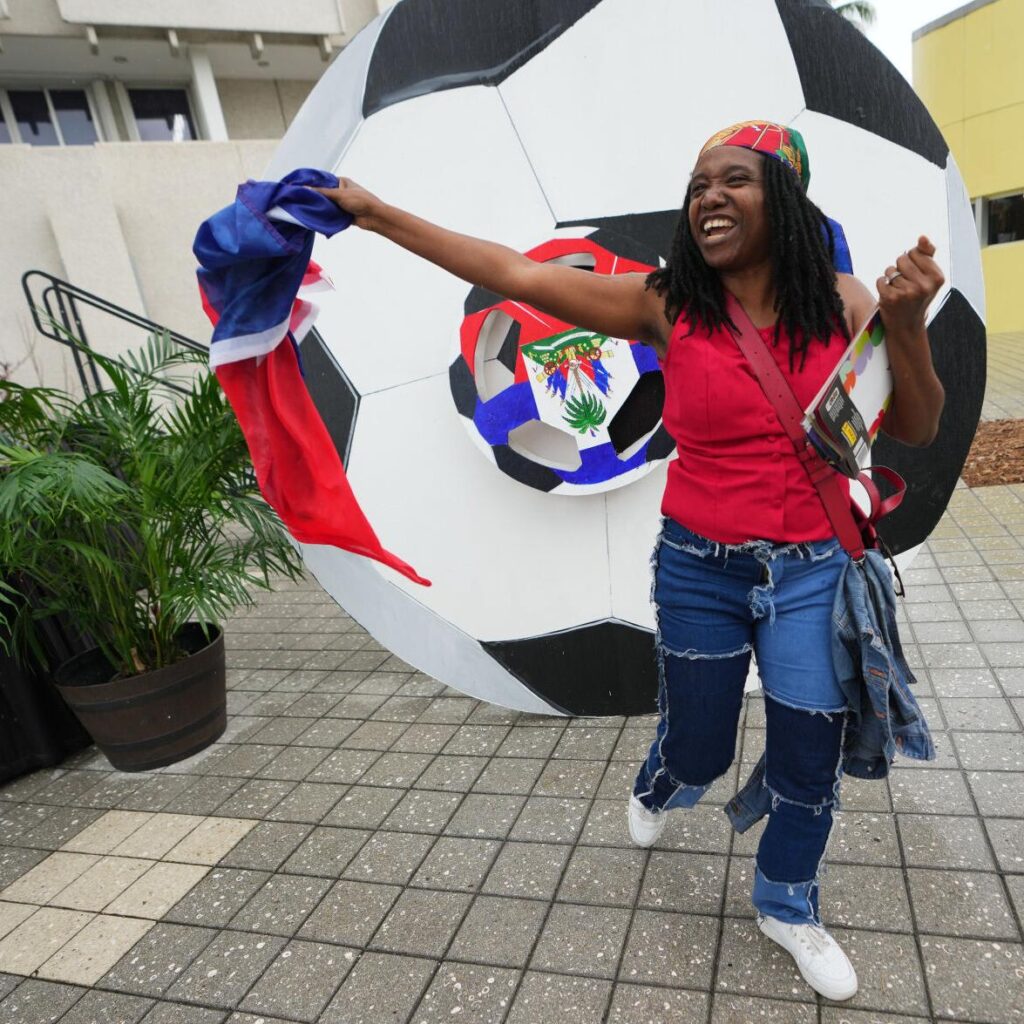
For many Haitian-American children and teenagers, this will be the first opportunity to watch Haiti compete at a World Cup. The excitement surrounding qualification has already sparked renewed interest in the national team among younger generations.
Children who may have previously followed only European clubs or major international powers are now proudly wearing Haitian colors.
That growing connection matters.
National teams often inspire young people to participate in sports, strengthen cultural identity, and develop a deeper appreciation for their heritage. Haiti’s qualification has the potential to influence an entire generation of supporters and future players.
Football’s Unique Power to Unite
One of the most remarkable aspects of international football is its ability to create unity.
People with different backgrounds, experiences, and political views often find common ground through their support for a national team. During major tournaments, divisions tend to fade as communities rally behind a shared goal.
The celebrations in Miami demonstrated that phenomenon perfectly.
Business owners, students, professionals, retirees, and families all found themselves connected by the same emotion. For a brief moment, football became the center of community life.
Such moments are rare and valuable.
They remind people of what they share rather than what separates them.
What Qualification Means for Haitian Football
Recognition on the Global Stage
Returning to the World Cup offers benefits that extend far beyond the tournament itself.
Participation places a nation’s football program under the international spotlight. Players gain exposure, young prospects find inspiration, and investment in the sport often increases.
For Haiti, qualification provides an opportunity to showcase its talent to a global audience.
The tournament will allow the team to compete against some of the world’s strongest nations while demonstrating the progress that has been made over the past several years.
Building Momentum for the Future
One successful qualification campaign can have long-lasting effects.
In many countries, World Cup appearances lead to increased participation at youth levels, greater public interest, and stronger support for football development programs.
Haiti now has an opportunity to build momentum that extends well beyond a single tournament.
The challenge will be transforming this historic achievement into a foundation for sustained growth.
The Road Ahead
While qualification itself is a major accomplishment, the focus will soon shift toward preparation.
Competing at the World Cup requires a different level of performance. Every match presents elite opposition, intense pressure, and enormous global attention.
However, Haiti enters the tournament with something powerful on its side: belief.
The team has already overcome significant obstacles to reach this point. That confidence could prove valuable as players prepare for the biggest challenge of their careers.
Supporters understand that success at the tournament is never guaranteed.
For many, simply seeing Haiti back among football’s elite nations is already a victory worth celebrating.
A Moment That Will Be Remembered
Years from now, many people will remember exactly where they were when Haiti secured qualification.
Some will recall watching with family. Others will remember celebrations in the streets or conversations with friends. Younger fans may look back on this moment as the beginning of their lifelong connection to the national team.
That is the beauty of football.
The sport creates memories that endure long after the final whistle.
For Miami’s Haitian community, this qualification is not simply another sporting achievement. It is a moment of collective pride that strengthens bonds between generations and reinforces a shared cultural identity.
Haiti’s qualification for the World Cup after a 52-year absence represents one of the most inspiring stories in international football.
Across Miami, celebrations reflected the significance of a moment that extends far beyond sport. For older generations, it fulfilled a decades-long dream. For younger supporters, it opened the door to a new chapter in Haitian football history.
The achievement serves as a reminder of football’s extraordinary ability to unite communities, preserve cultural connections, and inspire hope.
As Haiti prepares to return to the world’s biggest stage, millions of supporters will follow the journey with pride. In Miami and far beyond, the celebrations have already begun, and the anticipation for what comes next continues to grow.