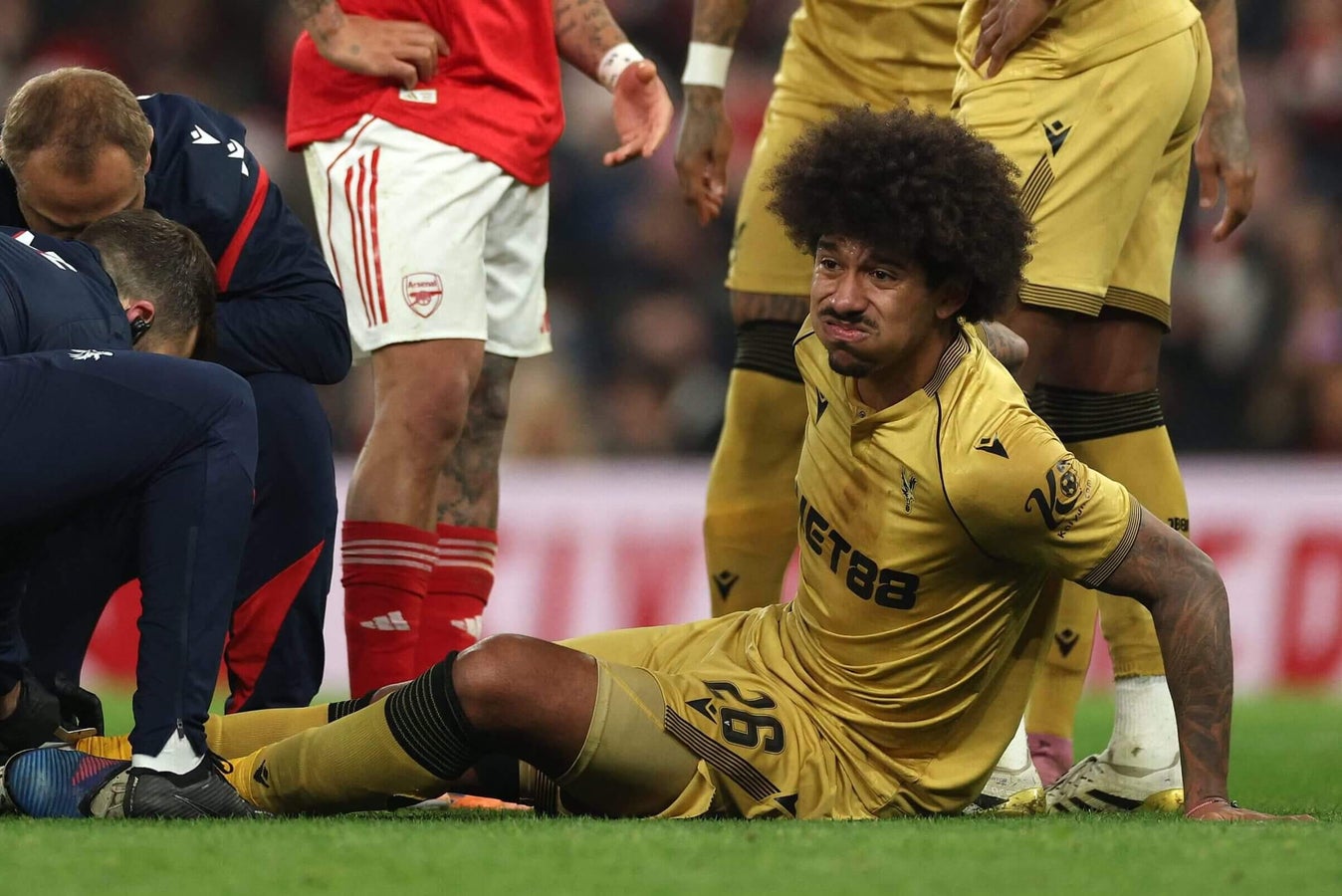
As the United States continues its preparations for the upcoming World Cup, one of the team’s most important defensive players finds himself facing an uncertain road back to full fitness. Chris Richards, widely regarded as a cornerstone of the American back line, is set to miss the friendly against Senegal, raising fresh questions about his availability and readiness for future international commitments.
While injuries are an unavoidable part of football, timing often determines their significance. For Richards, the setback arrives during a crucial period when players and coaches are working to build chemistry, evaluate tactical options, and establish momentum ahead of one of the most important tournaments in world football.
For the United States coaching staff, the situation presents both a challenge and an opportunity as they assess alternative defensive solutions.
A Key Figure in the American Defense
Over the past few years, Chris Richards has grown into one of the most reliable defenders in the United States national team setup.
His development has been marked by steady improvement, maturity, and an increasing ability to perform at a high level against elite opposition. Comfortable on the ball and strong in one-on-one situations, Richards offers a combination of athleticism and composure that modern football increasingly demands from central defenders.
His importance extends beyond technical qualities.
Richards has become a player teammates trust and coaches rely upon during difficult moments. Whether defending deep against pressure or helping initiate attacks from the back, he has consistently demonstrated the qualities expected of an international-level defender.
That is why any uncertainty surrounding his fitness naturally attracts attention.
Why the Senegal Match Matters
Friendly matches often receive less attention than competitive fixtures, but their importance should not be underestimated.
For national teams, these games provide valuable opportunities to test tactical systems, evaluate player partnerships, and build rhythm ahead of major competitions. Every training session and every match contributes to the larger process of preparing for tournament football.
The upcoming encounter with Senegal is particularly significant because it offers a chance to face a physically strong and technically capable opponent.
Matches against teams with different playing styles help coaches identify strengths and weaknesses that may not be obvious against familiar opposition.
Without Richards available, the United States will be forced to adjust.
While one missed friendly does not define a tournament campaign, every lost opportunity for preparation carries some consequence.
Defensive Stability Remains Essential
Building Partnerships
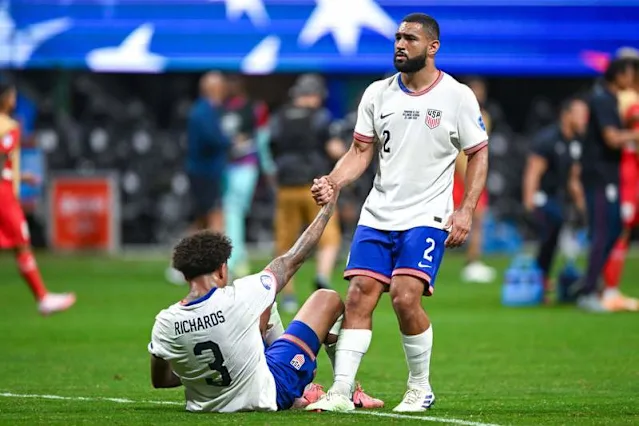
One of the most important elements of successful international teams is defensive continuity.
Unlike club football, national team managers have limited time with their players. As a result, building understanding between defenders becomes a priority whenever the squad gathers.
Central defensive partnerships often require months or even years to reach their full potential. Communication, positioning, and decision-making improve through experience and repetition.
Richards has played a significant role in developing that stability for the United States.
His absence creates a temporary disruption to a process that coaches generally prefer to keep consistent.
Leadership Beyond Experience
Although still relatively young, Richards has increasingly demonstrated leadership qualities within the squad.
Modern leadership is not always about age or captaincy. It can be expressed through performances, communication, and reliability under pressure.
When teammates know what to expect from a player, confidence throughout the team increases.
That trust is especially important in defense, where a single mistake can change the outcome of a match.
Opportunity for Other Players
While injuries are unfortunate, they often create opportunities for others to step forward.
Football history is filled with examples of players who earned their place after receiving unexpected chances. The absence of a regular starter allows coaches to evaluate alternatives and discover new combinations that may prove valuable later.
For the United States, the Senegal friendly offers exactly that possibility.
Other defenders will have the opportunity to demonstrate their readiness and show they can contribute at the international level.
Competition for places is healthy within any successful squad. Even when a first-choice player is unavailable, strong teams are able to maintain their standards because capable replacements are prepared to step in.
This situation will provide valuable information for the coaching staff as they continue refining their plans.
The Physical Demands of Modern Football
The concern surrounding Richards also highlights a broader reality facing today’s footballers.
The modern calendar is more demanding than ever. Players balance domestic league commitments, cup competitions, international fixtures, and extensive travel throughout the year.
As schedules become increasingly crowded, managing physical fitness becomes more difficult.
Defenders in particular face significant physical demands. They are required to sprint, recover, challenge powerful attackers, and maintain concentration for long periods. Even minor fitness issues can affect performance at the highest level.
For this reason, teams are often cautious when dealing with injuries during important preparation periods.
Returning too soon can create greater problems in the future.
Looking Beyond the Immediate Concern
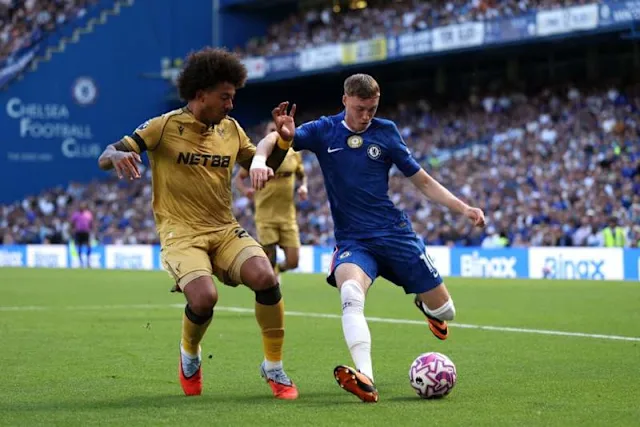
At this stage, the most important objective is ensuring Richards returns fully fit rather than rushing his recovery.
World Cup preparation is a long process, and teams must think beyond individual matches.
The United States coaching staff will likely prioritize long-term readiness over short-term availability. Missing a friendly may be disappointing, but preserving a player’s fitness for more important challenges remains the bigger objective.
Supporters naturally want to see their strongest lineup on the field as often as possible. However, careful management is often the wiser approach when dealing with injury concerns.
Patience can prove far more valuable than taking unnecessary risks.
The Bigger Picture for the United States
The national team enters this period with growing expectations.
American football has experienced significant development over the past decade, and supporters increasingly believe the team can compete with stronger opponents on the global stage.
Achieving that ambition requires more than talented attacking players. Successful tournament teams are built on defensive organization, discipline, and consistency.
Richards represents an important part of that foundation.
His presence helps provide balance throughout the team and allows midfielders and attackers greater freedom to express themselves.
That influence explains why his situation is being monitored so closely.
What Comes Next?
For now, attention will remain focused on Richards’ recovery and progress.
Medical staff, coaches, and supporters will all hope the setback proves temporary and that he can return to action without complications.
The coming weeks should provide greater clarity regarding his condition and future availability.
In the meantime, the United States will continue preparing, adapting, and evaluating options. Strong national teams understand that flexibility is essential, particularly when injuries occur.
The ability to respond effectively to setbacks often determines how successful a team becomes during major tournaments.
Conclusion
Chris Richards’ absence from the upcoming friendly against Senegal introduces an element of uncertainty into the United States’ World Cup preparations, but it does not fundamentally alter the team’s ambitions.
The defender has become a crucial figure within the national setup thanks to his composure, consistency, and growing influence at the international level. While missing an important preparation match is unfortunate, the priority remains ensuring he returns fully fit and ready for future challenges.
For the United States, the situation serves as a reminder of football’s unpredictable nature. Injuries, setbacks, and unexpected challenges are part of every tournament cycle. What matters most is how teams respond to them.
As preparations continue, American supporters will be hoping that Richards’ absence is only temporary and that one of their most important defenders will soon be back where he belongs: leading the back line on football’s biggest stage.