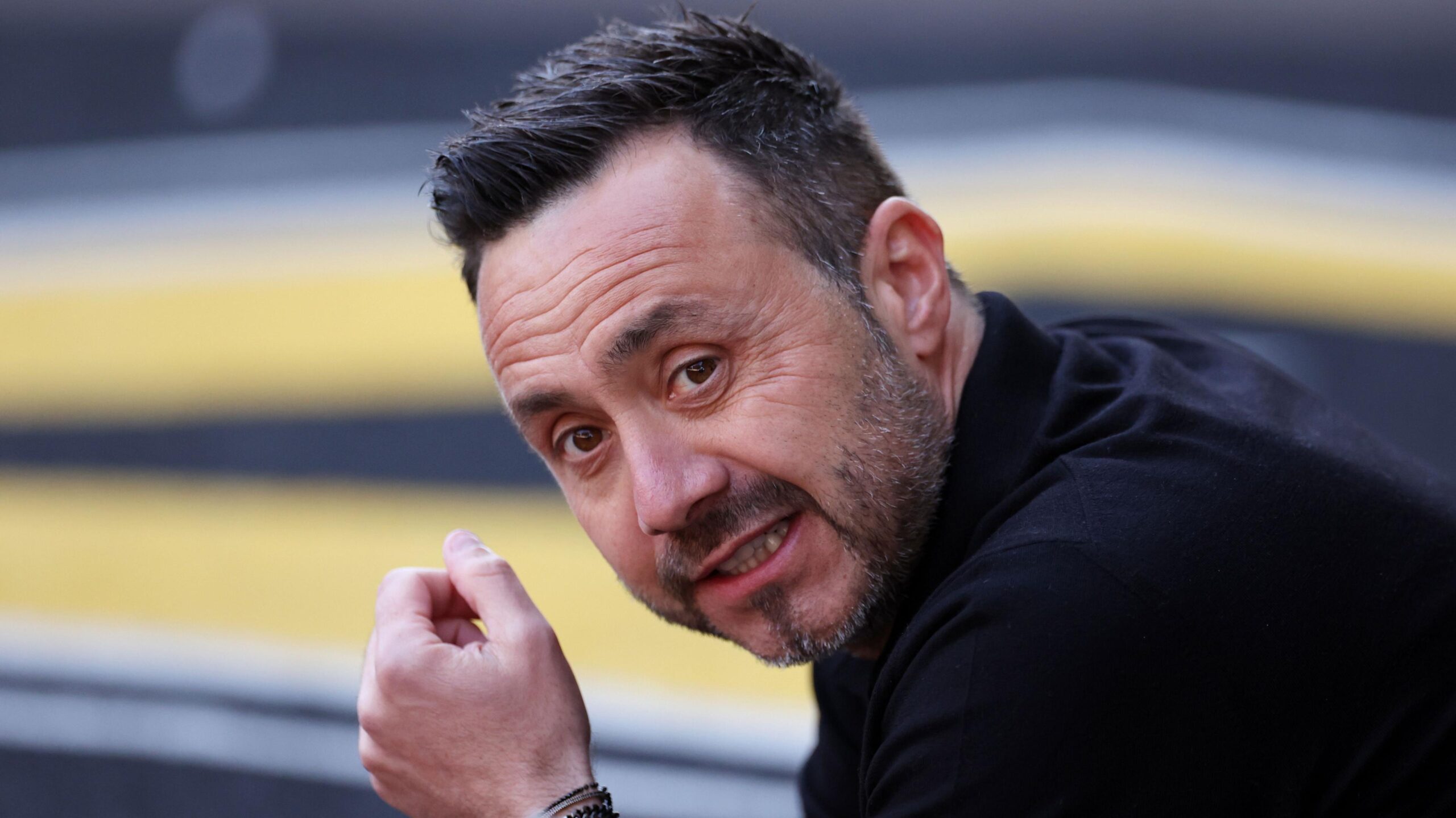
When managers reflect on their careers, they often point to trophies, promotions, or memorable victories as defining moments. For Roberto De Zerbi, however, the accomplishment he values most may not involve silverware at all.
After guiding Tottenham Hotspur through one of the most turbulent seasons in the club’s recent history, the Italian coach has described the team’s recovery and eventual stabilization as the biggest achievement of his managerial career.
It is a statement that highlights just how difficult the challenge became and how much adversity Spurs were forced to overcome.
A Season That Threatened to Unravel
Expectations were high when the campaign began, but reality quickly proved far more complicated.
Tottenham faced a combination of setbacks that tested the club’s resilience. Injuries disrupted momentum, inconsistency affected results, and pressure mounted from supporters frustrated by performances that fell below expectations.
As the season progressed, questions emerged about the team’s direction and whether Spurs could avoid a complete collapse.
For many clubs, such circumstances can create a downward spiral. Confidence disappears, performances deteriorate, and the atmosphere around the squad becomes increasingly toxic.
Tottenham appeared dangerously close to that scenario.
De Zerbi’s Greatest Test
Managing More Than Tactics
Throughout his coaching career, De Zerbi has earned praise for his attacking philosophy and commitment to attractive football.
This season required a different set of skills.
Rather than focusing solely on tactical improvements, the Italian found himself managing confidence, expectations, and emotions within the dressing room. The challenge became psychological as much as technical.
Keeping players motivated during difficult periods is one of the hardest tasks any manager faces. Maintaining belief when results are disappointing requires strong leadership and clear communication.
De Zerbi delivered both.
Building Stability During Chaos
One of the most impressive aspects of Tottenham’s recovery was the gradual return of stability.
Instead of making dramatic changes, De Zerbi focused on creating structure and consistency. Players began to understand their roles more clearly, performances improved, and positive results slowly followed.
The process was not immediate, but it proved effective.
By remaining committed to his principles while adapting to the circumstances around him, De Zerbi helped Spurs regain control of a season that seemed to be slipping away.
Why This Achievement Matters More Than Trophies
Managers often judge success differently from supporters and media observers.
While trophies remain the ultimate goal, coaches understand the significance of overcoming difficult situations that are not always visible from the outside.
For De Zerbi, rescuing Tottenham represented a challenge unlike any he had previously encountered.
Several factors made the accomplishment especially meaningful:
- Intense pressure from expectations
- Difficult injury situations
- Constant media scrutiny
- The need to rebuild confidence
- Maintaining unity within the squad
Success under such conditions demands leadership qualities that statistics cannot measure.
The Players’ Response
A manager can establish a vision, but players ultimately determine whether that vision succeeds.
One of the defining features of Tottenham’s recovery was the response from the squad. Despite difficult moments, the group continued to work, compete, and trust the process.
That collective commitment allowed Spurs to navigate adversity and finish the season in a far stronger position than many believed possible during its darkest moments.
The experience may ultimately strengthen the team moving forward.
Lessons From a Difficult Campaign
Resilience Remains Football’s Most Valuable Asset
Modern football often focuses on immediate success, but Tottenham’s season served as a reminder that resilience remains one of the sport’s most important qualities.
The ability to recover from setbacks frequently separates successful teams from struggling ones.
Spurs demonstrated that even when expectations are not being met, a season can still be salvaged through determination, discipline, and strong leadership.
Growth Through Adversity
Many coaches speak about learning from difficult experiences, and De Zerbi’s comments suggest this season provided exactly that.
Challenges often reveal strengths that success can hide. Navigating pressure, uncertainty, and criticism forced both manager and players to develop in ways that comfortable victories never could.
That growth may prove valuable long after the season is remembered.
Looking Ahead
Tottenham now enters the future with greater optimism than seemed possible at several points during the campaign.
While there is still work to be done, the club has regained a sense of direction and belief. Much of that progress can be traced back to De Zerbi’s leadership during a period when stability was desperately needed.
Whether future seasons bring trophies or further challenges remains to be seen. What is clear is that De Zerbi views this campaign as a defining chapter in his managerial journey.
Roberto De Zerbi’s claim that saving Tottenham represents the greatest achievement of his career speaks volumes about the difficulties the club faced throughout the season.
This was not a story of dominance or easy success. It was a story of resilience, leadership, and recovery. At a time when Spurs risked losing control of their campaign, De Zerbi helped guide them back to stability and belief.
In football, some achievements are measured by medals. Others are measured by the obstacles overcome. For De Zerbi, this season may ultimately be remembered as the most rewarding accomplishment of all.