Chelsea have made it clear that Josh Acheampong remains an important part of the club’s future plans after reportedly rejecting approaches for the highly rated defender.
In an era where young talents are constantly attracting attention from clubs across Europe, Chelsea’s decision sends a strong message. The London club sees Acheampong not as a player available for transfer, but as one of the next generation expected to contribute to the first team in the years ahead.
The move reflects a broader shift in thinking at Stamford Bridge. While Chelsea have invested heavily in emerging talent from around the world in recent seasons, there is also growing recognition of the importance of developing players from within their own academy system.
Acheampong has become one of the standout examples of that strategy.
A Prospect Generating Excitement
Young players often attract attention long before they become established professionals. Scouts, coaches, and executives spend years identifying potential stars before they make a significant impact at senior level.
Acheampong falls firmly into that category.
The defender has earned praise throughout Chelsea’s youth setup for his maturity, athleticism, and versatility. Coaches have consistently highlighted his ability to adapt to different tactical demands while maintaining composure in possession.
Those qualities have made him one of the most closely watched prospects at Cobham.
While many academy players show promise, only a select few generate the kind of interest that prompts rival clubs to make enquiries. The fact that approaches were reportedly made underlines the growing reputation Acheampong has developed within football circles.
Chelsea’s Academy Continues to Deliver
For decades, Chelsea’s academy has been regarded as one of the strongest development systems in English football.
The club has produced a long list of talented players who have gone on to build successful careers both at Stamford Bridge and elsewhere. In recent years, the pathway from academy football to the first team has become increasingly important.
Supporters have embraced seeing local talents progress through the ranks.
Homegrown players often create a special connection with fans because they represent more than footballing ability. They embody the club’s identity, culture, and long-term vision.
Chelsea understand the value of that connection.
Retaining promising young players is not simply a football decision. It is also an investment in the future character of the squad.
Why Acheampong Is Highly Valued
Versatility in Modern Football
One of the most valuable qualities a young player can possess today is adaptability.
Modern managers frequently demand tactical flexibility from their squads. Players capable of operating in multiple positions provide options that can prove invaluable over the course of a long season.
Acheampong has demonstrated that flexibility throughout his development.
Whether operating centrally or in wider defensive areas, he has shown an ability to understand different responsibilities and execute them effectively.
This versatility increases his value significantly.
Technical Ability and Composure
Young defenders are often judged primarily on physical attributes, but the modern game demands much more.
Top clubs now expect defenders to contribute during possession, build attacks from deep positions, and remain comfortable under pressure.
Acheampong’s technical qualities have become one of the defining features of his development.
His confidence on the ball and willingness to play progressive passes have earned praise from coaches at multiple levels within the club.
These attributes fit naturally with the style of football Chelsea hope to play moving forward.
The Challenge of Managing Young Talent
Developing elite footballers requires patience.
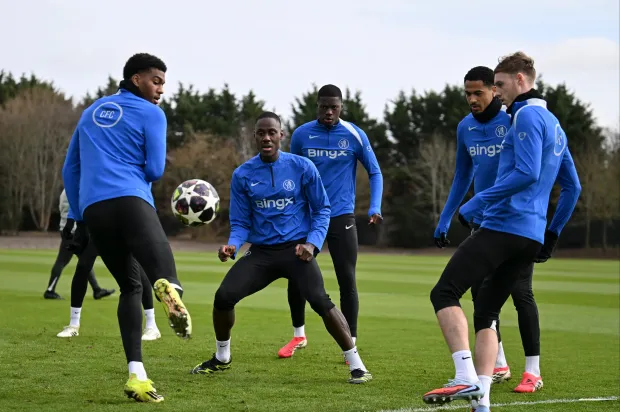
Not every promising academy player follows the same path. Some establish themselves quickly, while others need additional time and experience before becoming regular first-team contributors.
The challenge for clubs is finding the right balance between immediate opportunities and long-term development.
Chelsea appear determined to take a measured approach with Acheampong.
Rather than rushing his progression or allowing external interest to influence their plans, the club seems focused on creating the best environment for his continued growth.
That patience can often be the difference between potential and success.
Competition for Places Remains Intense
Chelsea’s squad contains significant depth and competition across multiple positions.
For any young player, breaking into the first team represents a major challenge. Established internationals and experienced professionals occupy many of the positions academy graduates hope to reach.
Yet competition can also accelerate development.
Training alongside elite players every day exposes young talents to the standards required at the highest level. It provides valuable lessons that cannot always be replicated in youth football.
Acheampong’s continued presence within Chelsea’s plans suggests the club believes he can meet those demands.
The journey may not always be straightforward, but the potential rewards are considerable.
A Changing Transfer Landscape
Football’s transfer market has evolved dramatically in recent years.
Young players are now attracting attention earlier than ever before. Clubs increasingly view emerging talent as valuable long-term investments, leading to greater competition for the most promising prospects.
This environment places additional importance on player retention.
When clubs identify a youngster capable of contributing at senior level, protecting that asset becomes a priority.
Chelsea’s decision to reject approaches for Acheampong reflects this reality.
The club appears convinced that his future value on the pitch outweighs any immediate financial considerations that might come from a transfer.
The Importance of Long-Term Planning
Successful clubs rarely focus exclusively on the present.
While immediate results always matter, sustainable success requires constant planning for future seasons. This includes identifying players capable of becoming key contributors several years down the line.
Chelsea’s leadership has repeatedly emphasized long-term squad building.
Retaining highly rated academy talents aligns with that objective. It ensures the club maintains a pipeline of young players who can eventually challenge for regular first-team roles.
Acheampong fits naturally into that vision.
His development represents an opportunity to strengthen the squad while preserving a connection between the academy and senior team.
What Comes Next?
The focus now shifts toward the next stage of Acheampong’s progression.
Continued development, increased experience, and exposure to higher levels of competition will all play important roles in determining how quickly he advances.
Chelsea supporters will be eager to see whether he can translate his potential into consistent senior performances.
The club’s decision to reject external interest suggests confidence that he possesses the qualities necessary to do exactly that.
As football continues to search for the next generation of stars, players like Acheampong remind everyone that some of the most important signings are the talents already within a club’s own system.
Conclusion
Chelsea’s decision to turn down approaches for Josh Acheampong highlights the growing importance the club places on its academy prospects and long-term planning.
The young defender has earned a reputation as one of the most promising talents within the club’s development structure, attracting attention from outside while strengthening belief internally. His versatility, technical ability, and maturity have made him a player Chelsea are unwilling to lose.
While much of modern football focuses on major transfers and high-profile signings, the future success of many clubs often depends on the players they develop themselves. By choosing to retain Acheampong, Chelsea have made their position clear.
They believe his best years are still ahead of him, and they want those years to be spent at Stamford Bridge.