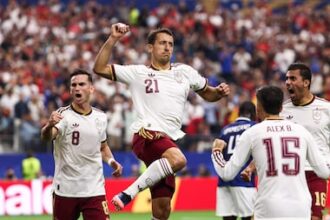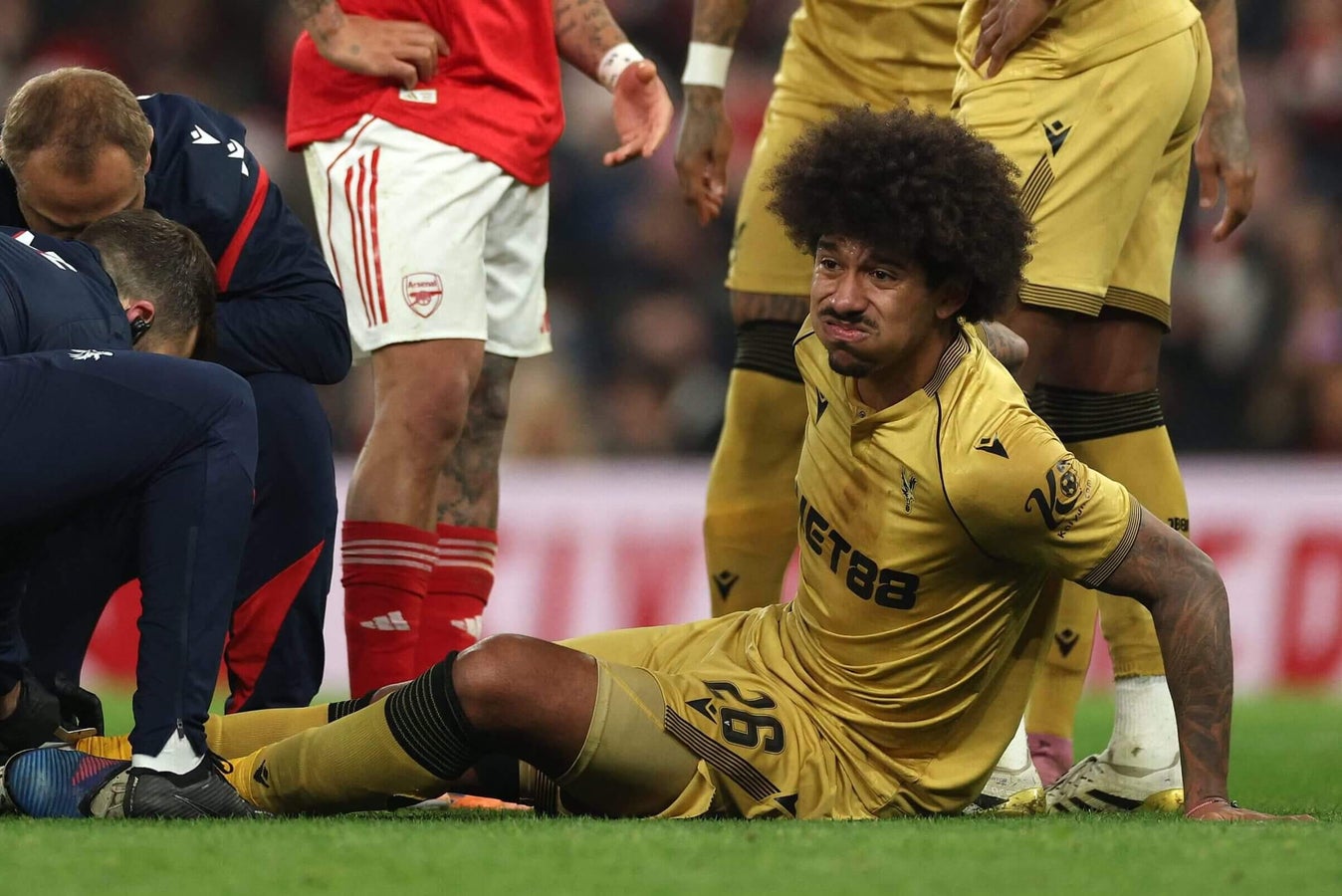
Aston Villa began their UEFA Champions League campaign with a hard-fought 3-2 victory over Club Brugge at the Jan Breydel Stadium. The English side produced a highly efficient first-half performance, then relied on determined defending after the break as the Belgian hosts increased the pressure.
The match offered a clear contrast in styles. Aston Villa were dangerous when attacking quickly and made excellent use of the chances they created, while Club Brugge controlled much of the possession and territory, particularly in the second half. John McGinn was one of the standout performers, combining attacking intelligence, physical work and defensive commitment throughout the game.
Aston Villa Make Their Chances Count
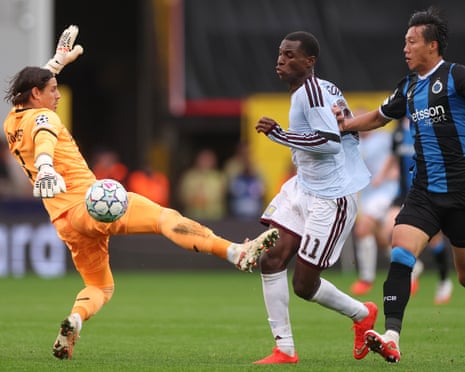
The visitors took control of the scoreboard in the 11th minute. McGinn found space at the far post and met Pau Torres’ accurate cross, finishing with his left foot to give Villa an early advantage.
Club Brugge responded just eight minutes later. Jan Virgili supplied Hugo Vetlesen, who kept his finish low and found the net to bring the hosts level.
Villa reacted almost immediately. In the 22nd minute, Emiliano Buendía restored the visitors’ lead after a move involving João Gomes. Buendía’s movement into the penalty area created the opportunity, and he finished the attack with composure.
The biggest blow for Brugge came shortly before half-time. A quick transition began after an interception by Maatsen, and Pau Torres again played an important role in releasing the attack. Nicolas Jackson completed the counter-attack in the 43rd minute, putting Aston Villa 3-1 ahead.
A Remarkable First Half
The statistics highlighted Villa’s efficiency before the break.
- Expected goals: Aston Villa 2.50, Club Brugge 0.30
- Shots: Aston Villa 14, Club Brugge 5
- Villa converted both of their major chances.
- Club Brugge created four major opportunities but failed to convert two of them.
Villa did not need to dominate possession to create danger. Their ability to move forward quickly, exploit open spaces and attack the areas behind the Brugge defence proved particularly effective.
McGinn’s movement was important, while Torres repeatedly provided progressive passes from the back. Buendía’s movement inside the penalty area also made it difficult for the home defence to maintain its shape.
Club Brugge Change the Game After Half-Time
The second half was a completely different contest.
Club Brugge returned from the break with greater control of the ball and spent long periods around Villa’s defensive area. The hosts recorded 69% possession in the second half and had a 9-7 advantage in shots during that period.
Their pressure eventually produced another goal.
Tresoldi Gives Brugge Hope
Nicolò Tresoldi converted from the penalty spot in the 61st minute, reducing the deficit to 3-2. His performance remained a major threat for the remainder of the match.
Tresoldi finished the game with:
- Five shots
- 1.04 expected goals
- A further effort that struck the post
Club Brugge also found ways to attack from wide areas. Carlos Forbs provided an outlet on the flank, while substitute Hugo Siquet immediately added more crossing ability. Siquet attempted 11 crosses, with four finding their intended target during his 45 minutes on the pitch.
The hosts also registered 47 entries into the final third after the interval, compared with 25 for Aston Villa. Their pressure was consistent, but Villa managed to prevent the equaliser.
Villa’s Defence Holds Firm
Once Brugge reduced the deficit, the match became a test of Aston Villa’s defensive organisation.
The visitors made 36 clearances during the 90 minutes, with Victor Lindelöf and Pau Torres accounting for 16 of them. Their defensive work became increasingly important as Brugge continued to send balls into the penalty area.
Goalkeeper Zion Suzuki also played an important role. He finished with a 7.6 Sofascore rating, making five saves and completing two successful exits from his goal area. His performance was especially valuable during the period when Brugge were applying sustained pressure.
Villa’s substitutes also helped protect the wider areas and maintain the team’s defensive structure during the closing stages.
Although Tammy Abraham had limited time to influence the match, Aston Villa managed to preserve their shape and protect the narrow advantage until the final whistle.
What the Match Statistics Reveal
The overall numbers show just how unusual the contest was.
Club Brugge finished with 64% possession, completing 532 of their 602 passes. Aston Villa had only 36% possession and completed 281 of 338 passes.
Despite spending less time with the ball, Villa produced more attacking output.
| Statistic | Club Brugge | Aston Villa |
|---|---|---|
| Possession | 64% | 36% |
| Completed passes | 532/602 | 281/338 |
| Shots | 14 | 21 |
| Shots on target | 7 | 9 |
| Expected goals | 1.46 | 3.00 |
| Big chances | 2 | 4 |
| Clearances | 22 | 36 |
The figures demonstrate the difference between territorial control and attacking efficiency. Brugge had more possession and spent more time in Villa’s half, but the visitors generated more shots, more shots on target and a significantly higher expected-goals figure.
Villa also committed themselves heavily to defensive work, recording more clearances and attempting more tackles. However, Club Brugge were considerably more successful in their tackling, winning 89% of their attempted tackles compared with Villa’s 48%.
The Belgian side also dominated aerial contests, winning 74% of them. Villa, meanwhile, had the advantage in ground duels, winning 54%.
Mistakes Prove Costly for Club Brugge
Another important factor was the difference in defensive errors.
Club Brugge made two mistakes that directly led to goals, while Aston Villa did not make any errors of the same kind.
That proved decisive.
The hosts may have controlled the game for long periods, but Aston Villa punished mistakes and transitions with greater efficiency. Their ability to turn limited possession into dangerous attacks ultimately made the difference on the scoreboard.
Villa also had the advantage in successful dribbling, with a 57% success rate compared with 43% for Brugge.
At the same time, the hosts’ territorial dominance was clear. Club Brugge recorded 73 entries into the final third, compared with 46 for Aston Villa, reinforcing the impression that they controlled much of the attacking territory.
Yet possession and territory alone were not enough.
McGinn Leads Aston Villa’s Performance
Among all the players on the pitch, John McGinn stood out as Aston Villa’s most influential performer.
He received the highest Sofascore rating of the match, 7.8, combining his early goal with an energetic performance across the pitch.
McGinn attempted three shots and put two of them on target. His positioning allowed him to arrive in dangerous areas at the right moments, particularly for the opening goal.
His contribution was not limited to attacking play. He also helped Villa progress the ball and compete physically in midfield.
His match statistics included:
- 1 goal
- 3 shots
- 2 shots on target
- 4 key passes
- 20 completed passes from 25 attempts
- 7 crosses
- 16 progressive ball carries
- 7 duels won
- 4 tackles, with 3 successful
- 4 recoveries
He was also booked in the 78th minute, but continued to contribute energetically during the final stages.
McGinn’s performance reflected the qualities Aston Villa needed in such a difficult away match: technical ability, intelligent movement, physical intensity and willingness to defend.
A Victory Built on Efficiency and Resilience
Aston Villa’s 3-2 win over Club Brugge was ultimately shaped by two very different halves.
The visitors were more clinical before half-time, scoring three times and producing an attacking performance that was reflected in their 2.50 first-half expected goals. Brugge struggled to contain Villa’s transitions and paid heavily for their defensive mistakes.
After the break, the balance shifted dramatically. Club Brugge controlled possession, increased their attacking pressure and scored from the penalty spot. They came close to another goal, including an effort from Tresoldi that hit the post, but Villa’s defensive resistance prevented the comeback.
The result therefore underlined an important feature of European football: controlling the ball does not necessarily mean controlling the match. Aston Villa were more efficient with their opportunities, created higher-quality chances and showed enough defensive discipline to survive Brugge’s second-half pressure.
For Unai Emery’s side, the opening Champions League victory provides a strong start built on clinical finishing and resilience. For Club Brugge, the performance showed that they were capable of creating sustained pressure, but their missed opportunities and costly mistakes left them without a result despite controlling large portions of the game.