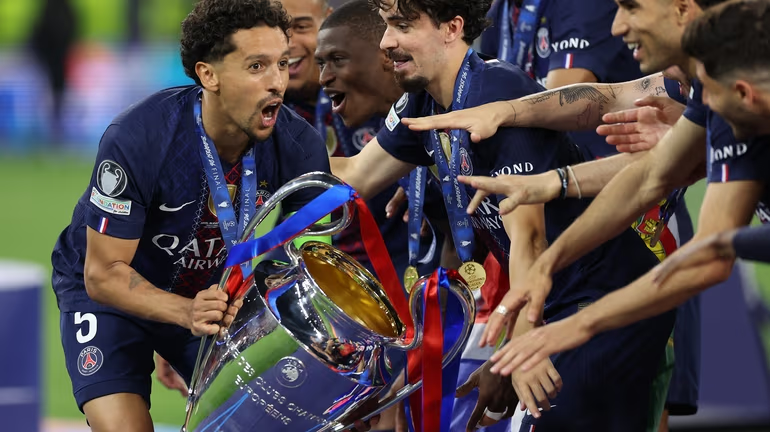
Winning the UEFA Champions League is the dream of every elite club in European football. For Paris Saint-Germain, that dream finally became reality after years of investment, near misses, and relentless ambition. The long-awaited triumph marked a historic moment for the French giants, validating a project that had been scrutinized for more than a decade.
Yet while celebrations continue among supporters and players, attention inside the club has already started to shift toward the future. Rather than viewing European success as the final destination, PSG’s leadership appears determined to treat it as the foundation for an even stronger era.
The challenge facing the club now is one that many champions encounter. How do you remain hungry after reaching the summit? For PSG, the answer seems clear: continue building.
A Victory Years in the Making
The Champions League title represented more than just another trophy.
For years, PSG assembled squads filled with world-class talent in pursuit of European football’s most prestigious prize. Despite dominating domestic competitions and attracting some of the biggest names in the sport, the club repeatedly fell short when the pressure was highest.
Those disappointments often generated criticism. Questions emerged about recruitment strategies, squad balance, and whether the project was overly focused on star power rather than collective identity.
This latest triumph changed that narrative.
The success was built on a more cohesive team structure, greater tactical discipline, and a stronger collective mentality. While individual brilliance remained important, PSG looked more like a complete football team than at any previous stage of their European journey.
That transformation proved decisive.
Why PSG Are Not Standing Still
One of the most common mistakes successful clubs make is assuming that victory guarantees future success.
Football moves quickly. Rivals strengthen, emerging talents develop, and competitive advantages can disappear within a matter of months. PSG understand that maintaining their position at the top of European football requires constant evolution.
The Champions League victory may have fulfilled a long-term objective, but it has not reduced expectations.
If anything, expectations are now even higher.
The club is no longer chasing its first European crown. It is attempting to establish itself as a consistent force capable of competing for the trophy every season.
That ambition explains why recruitment discussions are already underway.
Building From Strength Rather Than Weakness
Historically, transfer activity is often driven by crisis.
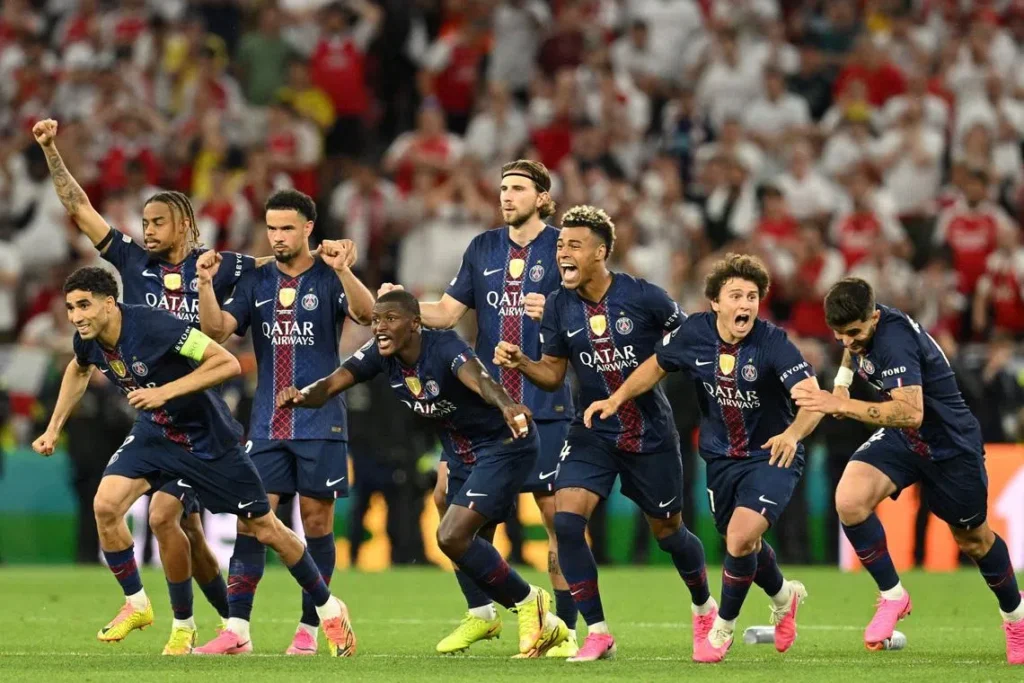
Teams underperform, weaknesses become exposed, and clubs react by pursuing major changes. PSG find themselves in a very different position.
Rather than rebuilding after disappointment, they are strengthening after success.
This creates a significant advantage in the transfer market. Decisions can be made strategically rather than emotionally. The focus becomes identifying opportunities to improve an already successful squad rather than desperately searching for solutions.
The best teams in modern football often operate this way.
They recruit from a position of strength and plan several years ahead rather than one season at a time.
Areas PSG Could Target
Although the squad has few obvious weaknesses, every elite team has room for improvement.
The club’s recruitment strategy is likely to focus on several key objectives.
Increasing Squad Depth
Competing on multiple fronts requires more than a strong starting eleven.
Injuries, suspensions, and fixture congestion can quickly expose a lack of depth. Successful Champions League campaigns often depend on contributions from players throughout the squad.
Adding quality options in key positions would help PSG remain competitive across domestic and European competitions.
Investing in Young Talent
Modern football increasingly rewards clubs that identify elite talent before it reaches its peak value.
PSG have already shown a greater willingness to invest in younger players capable of developing within the system. This approach creates both sporting and financial benefits.
Young talents bring energy, adaptability, and long-term potential.
They also help ensure the squad remains competitive for years rather than relying exclusively on established stars.
Maintaining Tactical Flexibility
The demands of elite football continue to evolve.
Managers require players capable of performing multiple roles and adapting to different tactical situations. Versatility has become one of the most valuable attributes in modern recruitment.
PSG may prioritize players who offer flexibility across several positions, allowing the coaching staff greater freedom when adjusting systems and responding to opponents.
The Influence of Success
Winning the Champions League changes a club’s position within the football landscape.
Players who may previously have hesitated now see PSG as proven European champions. The club becomes an even more attractive destination for ambitious footballers seeking to compete for the biggest trophies.
This enhanced reputation could prove valuable in future transfer negotiations.
Top players want to join winning environments.
The Champions League title has strengthened PSG’s ability to attract exactly that type of talent.
Balancing Ambition and Stability
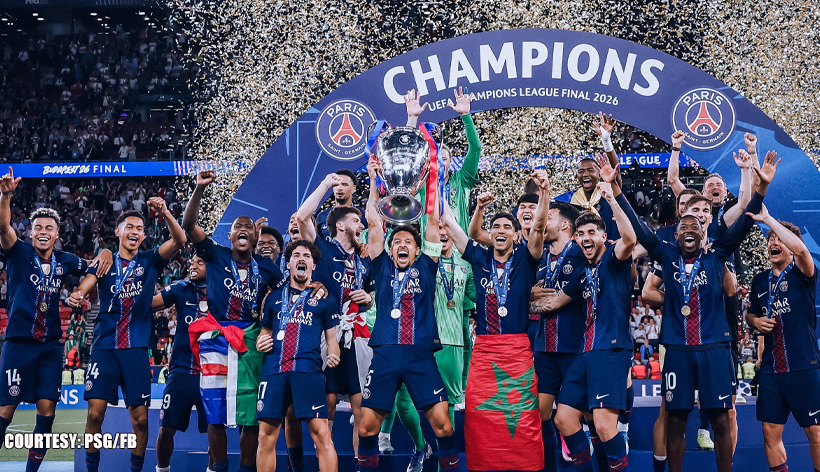
While strengthening the squad remains important, maintaining stability is equally valuable.
Many successful teams have damaged their momentum by making too many changes too quickly after major victories. Continuity often plays a significant role in sustaining excellence.
PSG’s decision-makers must find the right balance between evolution and preservation.
The core group responsible for the club’s success should remain intact wherever possible. New arrivals must complement existing strengths rather than disrupt them.
Achieving that balance will be one of the most important tasks of the summer.
Competition Across Europe Is Intensifying
PSG’s rivals are unlikely to remain passive.
Across Europe, major clubs are already planning their own improvements. Traditional powers continue investing heavily, while emerging contenders seek to close the gap.
The next Champions League campaign may prove even more competitive than the last.
Teams that experience success often become targets. Every opponent raises their level when facing the reigning European champions.
PSG must prepare for that reality.
Remaining at the top is often harder than reaching it in the first place.
The Manager’s Growing Influence
One of the most encouraging aspects of PSG’s recent success has been the clear footballing identity established by the coaching staff.
The team displayed organization, balance, and a collective understanding that had sometimes been missing in previous years.
Future recruitment is expected to reflect that philosophy.
Rather than signing players based solely on reputation, the club appears increasingly focused on identifying individuals who fit the tactical vision and team culture.
This shift could prove crucial to maintaining long-term success.
Modern football repeatedly demonstrates that strong collective structures often outperform teams built primarily around individual star power.
A New Era for PSG
For years, discussions surrounding PSG focused on potential.
The club possessed resources, talent, and ambition, but the ultimate prize remained elusive.
That situation has changed.
The Champions League trophy transformed PSG from hopeful contenders into proven winners. It validated years of investment and provided supporters with a moment they had waited a long time to experience.
Yet success has not reduced ambition.
Instead, it appears to have reinforced the belief that even greater achievements are possible.
The club now enters a new phase where the objective is not simply to win Europe once, but to become a regular presence among the continent’s elite.
Paris Saint-Germain’s Champions League triumph will forever occupy a special place in the club’s history. It was the achievement that generations of supporters dreamed about and one that finally established PSG among European football’s most successful clubs.
However, the celebrations have not distracted decision-makers from the challenges ahead. Plans for further recruitment and squad improvement demonstrate a determination to build on success rather than simply enjoy it.
In modern football, standing still is rarely an option. PSG understand that maintaining excellence requires continuous development, intelligent recruitment, and long-term vision.
Having finally conquered Europe, the French champions are already preparing for their next challenge. The message from Paris is unmistakable: the project is not complete. In many ways, it is only just beginning.